


Credit & Debt Management

Published on:
Last Updated:
Falling behind on loan repayments can become difficult when your financial situation changes unexpectedly. A job loss, reduced income, medical expense or another major financial setback can make regular EMIs hard to manage.
In such situations, loan settlement may be one option to discuss with the lender. It involves the lender agreeing to accept an amount lower than the total amount outstanding to resolve the debt, subject to the agreed terms.
However, settling a loan is not the same as repaying it in full. A loan settled for less than the amount originally due may be reported as "Settled" rather than "Closed", which can affect how future lenders view your credit history.
So, before agreeing to a settlement, it is important to understand what it means, how the process works and what alternatives may be available.
What Is Loan Settlement?
Loan settlement is an arrangement where a lender agrees to accept a reduced amount from a borrower to resolve an outstanding loan.
It is generally considered when the borrower is facing genuine financial difficulty and cannot reasonably repay the full amount due. However, settlement is not an automatic right. The lender decides whether to offer it based on its policies and the borrower's circumstances.
Example of loan settlement
Suppose you have ₹2 lakh outstanding on a loan but can no longer afford to repay the full amount because of a serious financial setback.
If the lender agrees to accept ₹1.4 lakh as a settlement amount, you would need to pay the agreed ₹1.4 lakh according to the settlement terms.
The important point is to get written confirmation of what happens to the remaining amount. Do not assume that any unpaid balance has been waived unless the settlement agreement clearly says so.
RBI's framework recognises compromise settlements as a negotiated arrangement where the lender may accept a lower amount in cash and waive part of its claims, subject to the applicable framework and the lender's policy.
How Does Loan Settlement Work?
The exact process varies between lenders, but it generally looks like this:
You realise that repayment is no longer manageable
Settlement may become relevant after a major change in your financial circumstances, such as loss of income, unemployment, significant medical expenses or another financial setback.
You contact the lender
Do not simply stop responding to the lender. Explain your situation and ask what repayment options are available.
Depending on your circumstances, the lender may discuss alternatives such as revised repayment terms, restructuring or settlement.
The lender reviews your situation
The lender decides whether settlement is appropriate based on its internal policies, the outstanding dues, repayment history and your financial circumstances.
Settlement terms are agreed
If the lender agrees, ask for the complete settlement terms in writing.
The document should clearly state:
Settlement amount
Payment deadline
Payment method
Treatment of the remaining amount
Status of the loan after payment
Any other applicable conditions
You make the agreed payment
Pay the settlement amount within the specified timeline and keep the payment receipt and other records safely.
The lender updates the account
Once the settlement terms are fulfilled, the lender updates its records and reports the applicable account status to the credit information companies.
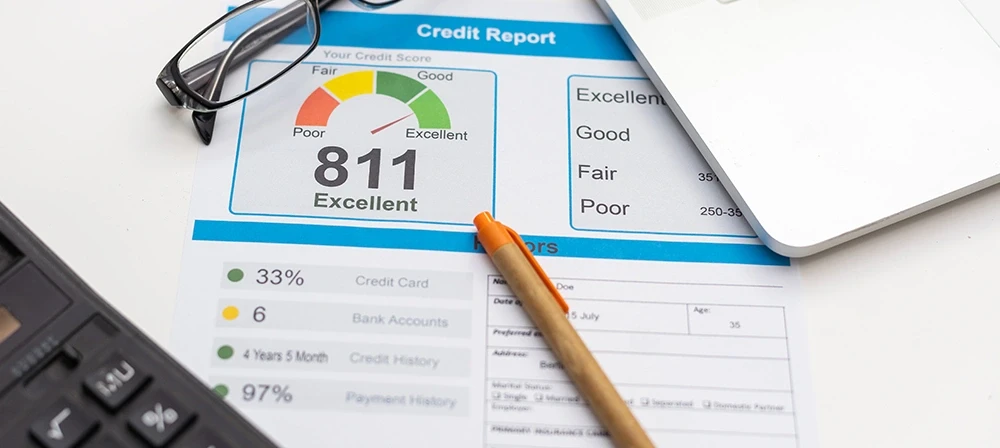
Where a lender accepts less than the full amount due, the account may be reported as "Settled" rather than "Closed".
Loan Settlement vs Loan Closure
The two terms may sound similar, but they mean very different things.
Factor | Loan Settlement | Loan Closure |
|---|---|---|
Amount repaid | Less than the full amount due, as agreed with the lender | Full amount due is repaid |
Account Status | Generally reported as "Settled" | Reported as "Closed" |
What it indicates | Loan was resolved for less than the full amount | Loan obligation was fully repaid |
Impact on future borrowing | May make future borrowing more difficult | Generally provides a cleaner credit history |
Typical situation | Financial hardship or repayment difficulty | Normal repayment or full prepayment |
What Happens After Loan Settlement?
Paying the settlement amount is not necessarily the end of the process.
After making the payment:
Keep the settlement letter and payment receipt.
Ask the lender for written confirmation that the settlement terms have been completed.
Obtain an NOC or equivalent document, where applicable.
Check your credit report after the lender has updated the account.
Check that the reported information is accurate.
Raise a dispute with the relevant credit bureau if the information is incorrect.
If the loan is secured, also check whether there are any additional steps related to collateral or the release of documents.
For personal loans covered by RBI's responsible-lending framework, regulated entities are required to release relevant original movable or immovable property documents after full repayment or settlement, subject to the applicable requirements. RBI's framework provides a 30-day timeline for release after repayment or settlement.
Final takeaway
Loan settlement can help borrowers who genuinely cannot repay their outstanding loan in full, but it should usually be considered only after other repayment options have been explored.
The main trade-off is simple: you may pay less than the full outstanding amount, but the account can be reported as "Settled" instead of "Closed", which can make future borrowing more difficult.
If you are struggling with repayments, speak to your lender early and ask about all available options. If settlement is offered, understand the terms in writing, keep proof of every payment and check your credit report afterwards.
Protect Your Credit Score from a Settlement
Don't let temporary cash flow issues damage your long-term credit health. Instead of settling, consider a flexible personal credit line to consolidate debt and pay it off in manageable EMIs.

FAQs
Is loan settlement the same as loan closure?
No. Loan closure generally means the borrower has repaid the full amount due. Settlement means the lender has agreed to accept less than the total amount outstanding. The credit report can therefore show "Settled" rather than "Closed".
Does loan settlement affect CIBIL score?
Yes. A settled account can negatively affect the borrower's CIBIL profile because it indicates that the full amount originally due was not repaid. CIBIL notes that lenders generally do not view a settled status favourably.
Is loan settlement a good option?
Loan settlement may provide relief when genuine financial hardship makes full repayment unrealistic, but it should generally be considered a last resort. The borrower should first discuss other repayment options with the lender and understand the potential impact on future borrowing.
Can a lender refuse a loan settlement request?
Yes. Settlement is subject to the lender's assessment and policies. A borrower cannot assume that a lender must accept a reduced repayment amount.
Does loan settlement mean the remaining debt is automatically cancelled?
The effect depends on the written settlement agreement. A borrower should not assume that the remaining amount has been waived unless the lender's formal settlement terms clearly confirm it.
Can a settled loan be removed from a credit report?
A borrower cannot simply ask a credit bureau to remove accurate information. If the lender confirms that the information should be changed, the borrower can request an update and raise a dispute where necessary. CIBIL documents an example where a settled status was changed to closed after the borrower paid the remaining balance and the lender confirmed the update.
How long does a settled loan affect the credit report?
There is no need to state a blanket "seven years" rule here. The settled status forms part of the credit history, and its practical impact on future lending can vary depending on the lender, credit bureau records and the borrower's subsequent credit behaviour. CIBIL confirms that settled accounts are viewed less favourably by lenders.
What documents should be collected after loan settlement?
The borrower should retain the settlement letter, payment receipts and lender's final confirmation. An NOC or equivalent confirmation should also be obtained where applicable.
Can a personal loan be settled?
Yes, a lender may consider settlement of a personal loan where the borrower is facing genuine repayment difficulty. However, approval and terms depend on the lender's assessment.
What is a one-time loan settlement?
A one-time settlement, often called an OTS, is an arrangement where the borrower pays an agreed reduced amount to resolve the outstanding loan instead of repaying the entire amount originally due. The exact terms are determined by the lender.
Naina Rajgopalan
Naina Rajgopalan has a thing for numbers and a deep fascination to learn about all things finance. She's been money-wise from a young age and has always shared her knowledge and tips with those around her. Being a part of the content team at Freo, a neobank that offers flexible and customised financial products, along with benefits such as insurance on balance, safe & secure banking, and so on, Naina stays updated with the latest of what happens in the banking and fintech industries. She has taken upon herself to share her knowledge with readers across all walks of life to help them manage their finances and budgets better, so they can make better decisions while spending, borrowing, investing and saving.